
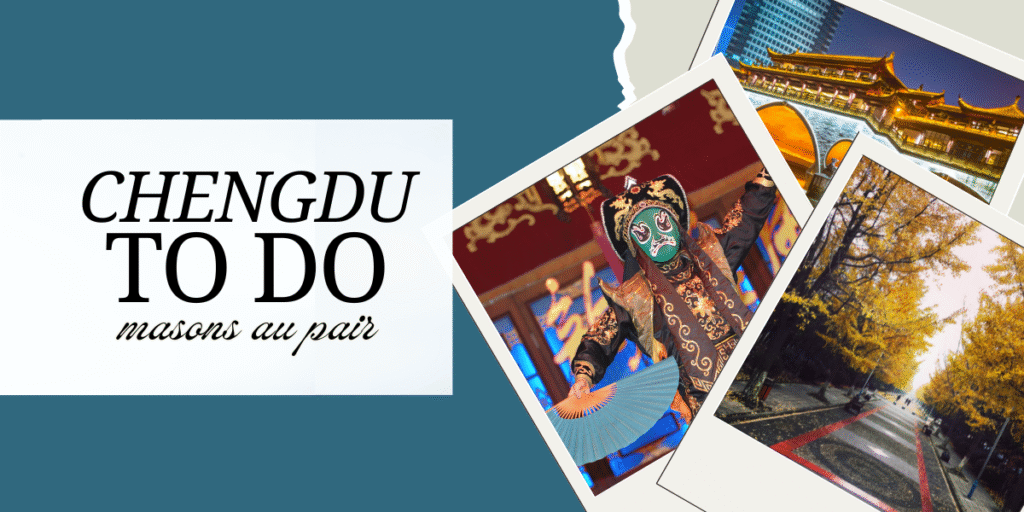
Chengdu, the vibrant capital of Sichuan Province in Southwest China, isn't just a tourist stop; it's the perfect home base for your gap year. Blending ancient heritage with modern life, it offers monasteries a short stroll from latte bars, and old neighborhoods hide tea houses where locals still play mahjong while the aroma of Sichuan cuisine / Szechuan cuisine rolls out of tiny kitchens. For an Au Pair, it’s a paradise of bold Chinese dishes—peppercorn heat, chili oil, garlic sauce, and the satisfying crackle of something crispy coming fresh from a wok after a day of language classes. In 2025 the city welcomes the World Games, meaning your weekends off will be buzzing with energy, visitors chasing pandas, and legendary food from dan dan noodles to wonton and fried rice. Whether you’re exploring the city with your host kids or bonding with other students, this guide gathers the essential experiences for your au pair program in China.
1. Take Your Host Kids to the Panda Base
Mornings at the panda base are magical and make for the ultimate playdate: dew on bamboo leaves, soft light over ponds, and the rustle of cubs tumbling after breakfast. Set in the lush Yangtze River basin, the center explains everything from breeding science to how keepers to cook balanced panda meals—a great educational trip for children. You can teach them about protecting habitats in line with Buddhist ecology while lingering by the red panda enclosures. Follow the shaded paths past information boards before grabbing a tea; it’s calm, kid-friendly, and photogenic without feeling like a chaotic zoo.
2. Explore Jinli Ancient Street on a Budget
With Qing-style facades and lanterns glowing at dusk, Jinli feels theatrical yet authentic—perfect for an affordable evening out with fellow Au Pairs. Weave between stalls selling steamed dumplings, delicate wontons bathed in garlic sauce, skewers brushed with bean sauce, and sesame candy that snaps crispy under your teeth. The street traces to the Ming dynasty and still hosts craftspeople engraving seals and frying noodles in woks; a gently fragrant mist of chilies and scallion hangs in the air while performers stage folk shows near the tea houses.
3. Bond with Your Host Family Over Hot-pot
Order a split pot and watch it roar: one side a clear broth for the kids, the other a crimson lake of chili oil, peppercorn, and spices for the adults. You dunk sliced lamb, shredded beef, shrimp, tofu, mushrooms, bok-choy, and snow peas, then fish them out to dress with your custom sauce—sesame-oil, soy-sauce, minced garlic, chopped scallion and peanuts, maybe a spoon of black-bean paste for depth. It’s social, noisy, and the best way to integrate into Chinese family life; add rice noodles or a small noodle soup on the side, and ask your host parents how to balance heat for that perfect mouth-numbing zing.
4. Experience the Sichuan Opera Face-Changing Show
In dim theaters perfumed with tea steam, the bian lian artists switch masks faster than a blink while cymbals crash—a spectacle that fascinates children and adults alike. Many venues pair the performance with a tasting of Chinese cooking classics—light wonton soup, stir-fried greens, and small deep fried snacks—so you can eat slowly and watch the stage magic unfold without leaving your seat.
5. Relax in People’s Park on Your Day Off
People’s Park is the city’s living room and a great spot to decompress after Mandarin lessons. Elders sip jasmine tea while calligraphers paint water poems on stone and kids chase bubbles. Order a tray with salted peanuts, pickled cucumber, and a warm bun, then listen to the chatter from the famous matchmaking corner; nearby vendors toss sauteed vegetables with garlic sauce and sell simple noodle bowls when afternoon cravings strike.
6. Discover Wuhou Shrine
Dedicated to strategist Zhuge Liang, the shrine’s courtyards unfold in layers—stone steles under cypress shade, halls lined with statues, and quiet ponds where the city’s noise fades away. It's a perfect history lesson for Au Pairs interested in Chinese culture. After exploring, slip into a nearby canteen for homestyle soups loaded with mushroom and greens; it’s a gentle, restorative counterpoint to the spice-charged meals you’ll eat elsewhere.
7. Weekend Trip to Leshan Giant Buddha
Nothing prepares you for the scale of the 71-meter Tang-era Buddha carved into the cliff, toes larger than dining tables. It's an ideal weekend trip for Au Pairs wanting to see more of Sichuan. Combine a boat ride with the cliff path for two perspectives, then settle into a local kitchen for fried rice, wontons in chili broth, and seasonal plates that showcase countryside produce and the region’s love of balance—salty, spicy, and a touch sweet.
8. Hang Out at Kuanzhai Alley
The “Wide & Narrow Alleys” weave together polished boutiques and Ming-era courtyards, plus cafés turning out chow-mein, lo-mein, and small wok-tossed dishes—broccoli with garlic, mushroom and scallion, or gently sauteed cabbage. It’s ideal for a mid-day pause to meet other international students: browse crafts, snack, and people-watch beneath elegant eaves while street musicians add a soft soundtrack.
9. Educational Trip to Dujiangyan Irrigation System
Over two millennia old, this UNESCO site still waters the Chengdu Plain thanks to a dam-free design that splits and slows the Min River. Trails and suspension bridges reveal ingenious engineering, making it a great educational spot to visit with older host kids. Farmhouse kitchens nearby serve bean sauce tofu, rustic noodle soups, and stir-fried greens pulled straight from the fields—proof that infrastructure can shape flavour as much as history.
10. Feast at Night Markets with Friends
After dark, lanes blaze with neon and the hiss of oil as chefs slam ingredients into red-hot woks—the perfect cheap dinner for an Au Pair budget. Try deep fried chicken that stays unbelievably crispy, stir-fried chilies, fried rice with egg and spring onion, bowls of dan dan noodles, rice noodles in sour-spicy broth, and steaming wonton soup. For those craving familiar Chinese restaurant takeout flavours from home, some stalls also serve sesame chicken, orange chicken, or even playful General Tso interpretations.
11. Visit the Chengdu Museum (It's Free!)
Perfect for a rainy day with the kids or a budget solo trip, galleries glide from Shu bronzes and shadow-puppet sets to Ming calligraphy and everyday artifacts. See bamboo steamers, iron woks, spice jars, and handwritten cookbooks that chart the rise of Chinese cuisine. The rooftop garden frames a skyline that neatly summarizes your new home—historic, green, and forward-looking.
12. Hike Qingcheng Mountain
A cradle of Taoism, Qingcheng offers mossy steps, temple bells, and cedar shade; trails loop between monasteries serving vegetarian plates like mushroom soup, sauteed snow peas, and shredded potato with chilies. Take a cable car up and stroll down slowly with your friends, letting the mountain air reset your senses after the city’s spice and music.
13. Volunteer or Watch the World Games 2025
From martial arts to bowling and squash, the World Games will flood Chengdu with athletes and fans. It's a great opportunity for Au Pairs to volunteer or spectate. The side benefit is culinary: pop-up fairs showcase dumplings, noodle stalls, sweet-and-sour specials, tasting counters for black-bean and garlic sauce, and demonstrations where chefs explain wok control, searing, and the balance of sour-salty-spicy.
14. Window Shop at Taikoo Li
This open-air complex pairs sleek architecture with bamboo courtyards and art installations. Even if you're on a stipend budget, it's a great place to walk around, then tempts you with artisan kitchens frying chow noodles with bok-choy, tossing cashew chicken with sesame-oil, or glazing ribs in black-bean sauce. It’s window-shopping, gallery-hopping, and grazing in one polished stroll.
15. Join a Cooking Class to Impress Your Host Family
Spend a morning mastering brush strokes, then tie on an apron for hands-on Chinese cooking: instructors teach knife work—chopped, sliced, minced—and fiery wok technique for perfect stir-fry timing. Typical menus cover dim-sum folding, lo-mein and chow-mein, sesame chicken, Mongolian beef, bright sweet-and-sour sauce, cool sides of cucumber and snow peas, and a primer on pantry heroes like bean sauce and chili paste. Most classes send you home with a mini cookbook so you can cook an authentic meal for your host family.
Conclusion
From pandas and temples to hot-pots, black-bean stir-fries, and noodles slurped at midnight, Chengdu distills everything we love about Chinese cooking: hospitality, rhythm, and fearless flavour. Come for the cultural exchange, stay for the food, and leave your Au Pair year with the sizzle of a wok and the tingle of peppercorn lingering like the best kind of souvenir.