
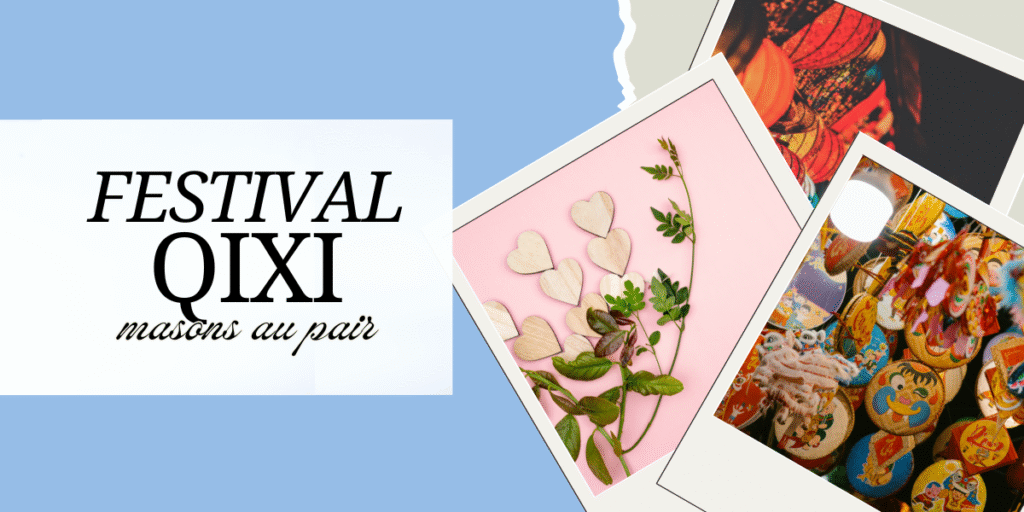
The Qixi Festival (七夕节, Qīxì Jié)—often widely described in the West as the Chinese Valentine’s Day—is actually one of the most romantic, mythological, and culturally rich Chinese festivals on the calendar. Celebrated annually on the 7th day of the 7th month of the traditional Chinese lunar calendar (which falls on August 29, 2025 in the Gregorian calendar), Qixi highlights the profound harmony between ancient Chinese traditions, celestial folklore, and modern romance. For Chinese people, this day is not merely about exchanging gifts; it is a spiritual connection to their ancestors, a celebration of seasonal rituals, and a time to reflect on values like loyalty and devotion.
However, for someone joining an au pair program in China, this festival offers a much deeper experience than a simple date night. Unlike the commercialized Valentine's Day seen in Western countries, Qixi is deeply rooted in family storytelling and craft-making. Celebrating this auspicious day with your host family allows you to bond with the children through engaging mythology, participate in unique household customs, and truly immerse yourself in the cultural exchange that defines a successful gap year abroad.
1. The Legend: The Ultimate Bedtime Story for Host Kids
The origins of the Qixi Festival date back over 2,000 years to the Han Dynasty, making it one of the oldest romantic legends in the world. It is rooted in the heartbreaking yet beautiful love story of Niulang (the benevolent Cowherd) and Zhinu (the skilled Weaver Girl). In ancient Chinese mythology, Zhinu was the daughter of the heavenly Emperor (or sometimes referred to as the Goddess of Heaven), who spent her days weaving clouds and rainbows. She fell deeply in love with the mortal Niulang, choosing a life on Earth over her divine duties, which enraged the gods.
Au Pair Tip: This story is the absolute perfect bedtime tale for your host kids on the night of the festival. You can dramatically explain how the angry Emperor separated the lovers by scratching a wide river in the sky, which became the Milky Way. Tell the children that the lovers are allowed to meet only once a year on the 7th day of the 7th lunar-month. On this magical night, thousands of magpies fly up to the heavens to form a bridge with their wings, reuniting the family. Sharing this myth, which has been immortalized through Chinese calligraphy, paintings, and poems across various dynasties, is a fantastic way to practice your storytelling skills in Mandarin while engaging the children's imagination.
2. Crafts and Customs: Creative Activities for the Family
Much like the vibrant Chinese New Year festival or the Mid-Autumn Festival, the Qixi Festival features specific auspicious rituals that are perfect for family bonding. Historically, young women would partake in competitions involving threading needles in low light to pray to Zhinu for skill in weaving, dexterity, and good fortune in finding a husband. While these strict rituals have evolved, the spirit of craftsmanship remains central to the holiday.
Activity Idea: As an au pair, you can revive these traditions in a fun, modern way with your host children.
- Fruit Carving & Art: Families traditionally prepare offerings of seasonal fruits like melons, grapes, and peaches. You can help the kids carve designs into melon skins or arrange fruit platters to "offer" to the stars while explaining the importance of gratitude.
- Origami & Paper Crafts: Use festive red paper to fold intricate paper magpies or weave simple bracelets. Explain that these crafts symbolize the bridge that connects the lovers, helping the kids improve their fine motor skills while learning culture.
- Calligraphy Practice: Set up a station with ink and brushes to practice writing Chinese characters symbolizing love, harmony, and peace. It is a calming activity that parents love to see.
In some regions, particularly in southern China, you might even see local lion dance or dragon dance performances in the town squares. Watching these energetic festivities on TV or in person links the children's everyday life to the heavens and the Chinese gods, reinforcing their cultural identity.
3. Qixi Today: How Your Host Family Will Celebrate
In contemporary China, the Qixi Festival has transformed into a blend of ancient customs and modern commercial festivities. You might observe your host dad bringing a bouquet of roses or chocolates to your host mom, or couples exchanging digital red envelopes (Hongbao) via WeChat and gifting jade jewelry for spiritual protection. It is a day where love is celebrated in all forms, not just romantic love, but the love that holds the household together.
Many families still prepare or buy traditional desserts such as sesame pastries, "Qiaoguo" (fried thin pastries), and sweet glutinous rice dumplings—foods that traditionally symbolize prosperity, sweetness, and a happy reunion. Just like during the Chinese New Year, the atmosphere is joyful and optimistic. While loud fireworks and firecrackers are now more common in rural areas to chase away bad-luck, the city centers will be lit up with elaborate lantern festival displays in shopping malls and parks, creating a magical backdrop for an evening walk with the children.
4. Vocabulary to Impress Your Host Parents
One of the primary goals of joining a program like Masons Au Pair in China is learning the language in a natural environment. The Qixi festival offers specific vocabulary that you won't necessarily find in a textbook. Using these terms correctly will surprise and delight your host parents.
| English Term | Pinyin | Meaning & Context for Au Pairs |
|---|---|---|
| Cowherd & Weaver Girl | Niú láng Zhī nǚ | The main characters of the legend. Use this when asking kids about the story. |
| Magpie Bridge | Què qiáo | The bridge of birds connecting the lovers across the Milky Way. |
| Double Seventh | Qī Xī | The literal name of the festival (7th of the 7th). |
| Grow old together | Bái tóu xié lǎo | A traditional blessing for couples, meaning "white hair, together old." |
5. The Au Pair Role: Bonding Through Culture
Celebrating Qixi is a perfect opportunity for deep intercultural exchange. Since this is a romantic holiday, your host parents might plan a rare date night out, leaving you in charge of the children. Instead of viewing this as just babysitting, see it as a chance to create a special "Kids' Qixi" evening. You are the big sister or brother who brings the magic of the festival to life inside the home.
You can prepare sweet dumplings together in the kitchen (a messy but fun activity!), decorate the living room with handmade lanterns, or help the kids make a secret appreciation card for their parents. These intimate moments help au pairs improve their conversational Mandarin, understand the nuances of folk traditions, and connect with Chinese people on a deeper emotional level. For international students, Qixi is a unique immersion into the lunar year celebrations, offering a perspective far beyond what typical tourists experience in hotels.
6. Qixi vs. Other Lunar Celebrations: The Cultural Context
While Qixi focuses primarily on romance and handicraft, it shares many fundamental cultural elements with the massive Spring Festival (Chinese New Year). Families rely on the Chinese-calendar and lunar-month cycles to plan these events, ensuring they align with the phases of the moon. This connection to the cosmos is a pillar of Chinese philosophy that you will witness firsthand.
Foods linked to good fortune—including round dumplings and sweet sticky pastries—appear during both festivals to symbolize unity and completeness. Decorations often feature zodiac symbols (like the Rabbit, Dragon, or Monkey depending on the current year) and festive red paper cutouts, similar to those seen on the first-day of the Chinese lunar new year. Even though Qixi is not an official public-holiday where schools and banks close, the evening is filled with life. Families may bring out ancestors’ portraits to pay respects or wear jade jewelry to symbolize love, harmony, and protection across the lunar year.
Conclusion
The Qixi Festival is more than just a date on the calendar or a reason to buy chocolates; it is a heartwarming mix of ancient Chinese traditions, mythology, and modern family love. From telling the enchanting legend of the Magpie Bridge to eating sweet glutinous rice cakes with your host kids, Qixi carries the values cherished across generations of Chinese history.
For au pairs living in China, taking part in Qixi is one of the most meaningful ways to experience Chinese culture authentically. It turns a regular working day into a magical memory with your host family, bridging the gap between your culture and theirs, much like the magpies bridging the Milky Way.