

Becoming an au pair in China is more than just babysitting — it’s a life-changing exchange program that blends inmersión cultural, language learningy personal growth. Whether you’re an international student, recent graduate, or taking a gap year, this unique student exchange program lets you travel abroad, live in a foreign country, and experience daily life in a homestay with a welcoming host family.
At Masons Au Pair, we guide each participant through the entire solicitud de visado, including screening, orientation, and support with student visas, residence permits, and even academic advising. From Department of State-compliant procedures to language courses y transcripts assistance, our team ensures you’re ready to study abroad and fully immerse yourself en cultura china.
Participants live with carefully selected host parents, disfrutarás de room and board, attend language schools, and build relationships that often feel like becoming a member of the family. With support from our international programs network and local coordinators, you’ll gain access to cultural activities, cross-cultural workshopsy lifelong friendships with fellow exchange students from different countries.
And yet, even with great planning, moving abroad to a foreign exchange environment often brings unexpected surprises. From everyday household routines to education systems y mealtime etiquette, these moments of culture shock are a natural part of any international student exchange.
👉 Here are five cultural surprises that most au pairs and foreign exchange students experience in China — and how they’ll transform your international journey.
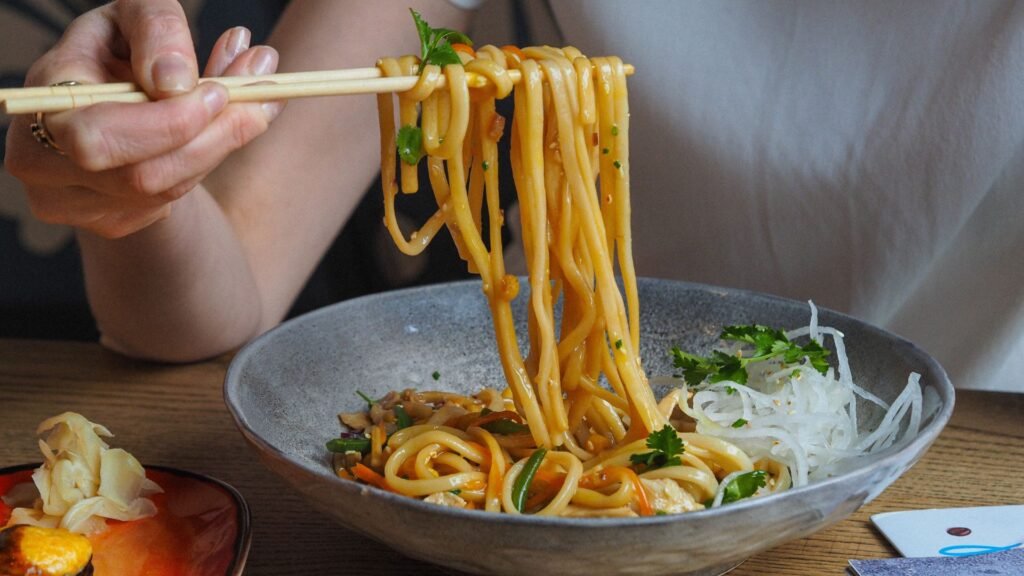
1. Meals Are Shared — And Chopsticks Are a Must
In many Western cultures, meals are served as individual portions on separate plates. But when you join a homestay program in China as part of a intercambio cultural program, the dining experience becomes an immersive cultural lesson. As an exchange student, you’ll notice that dishes are placed in the center of the table to be shared by everyone — a tradition deeply rooted in Chinese culture y family life. This communal style reflects strong values of connection, respect, and harmony, making you feel like a member of the family from your very first meal.
Para las experiencias de estudiantes internacionales new to study abroad programs, this unfamiliar setup might feel awkward at first. However, your host parents and even your local coordinator will guide you through the transition, showing you how to eat with chopsticks, navigate social etiquette, and appreciate the symbolic importance of shared meals. You’ll quickly learn that placing your chopsticks upright in a bowl of rice is taboo, as it resembles a funerary practice — a cultural nuance that many foreign exchange students are surprised by.
Through mealtime, you’ll gain more than just nutrition — you’ll develop stronger cross-cultural communication, form closer bonds with your host family, and experience firsthand how food is a universal language. These moments are often highlighted in international student exchange testimonials as some of the most enriching parts of the program. In fact, many participants say their year abroad begins to feel like home away from home the moment they share their first dinner around a round table filled with flavors, stories, and laughter.
2. The Schedule Is Surprisingly Different
Chinese host families often follow a highly structured daily schedule, especially when it comes to their children’s participation in the education system. During your placement as an au pair, you’ll witness firsthand how students, whether in primary school or at high school level, typically attend long academic days followed by after-school programs such as cursos intensivos de idiomas, piano lessons, or English tutoring. This rhythm reflects a deep commitment to academic development and self-discipline — key values in Chinese culture.
As part of your childcare duties in the student exchange program, you may be asked to assist children with homework, help them prepare their school bags, accompany them to after school activities, or participate in bedtime storytelling. While the fast-paced routine can seem demanding, especially for foreign exchange students or participants in their first study abroad program, many quickly adapt to and even appreciate the consistency it brings.
This experience is not just about helping children — it’s about becoming a family–member, living the escuela-year like a local, and understanding the rhythm that defines everyday life for many Chinese families. You’ll gain new skills in time management, teaching support, and cultural integration, all of which will deeply enrich your education abroad journey. In fact, many exchange students later reflect on this routine as one of the most valuable aspects of their international study experience, often taking the habits they’ve learned back to their home country.
Whether you’re joining for a semester abroad, a gap year, or a longer cultural exchange program, this immersion into Chinese family life will shape your worldview, your sense of purpose, and your personal growth — one structured day at a time.
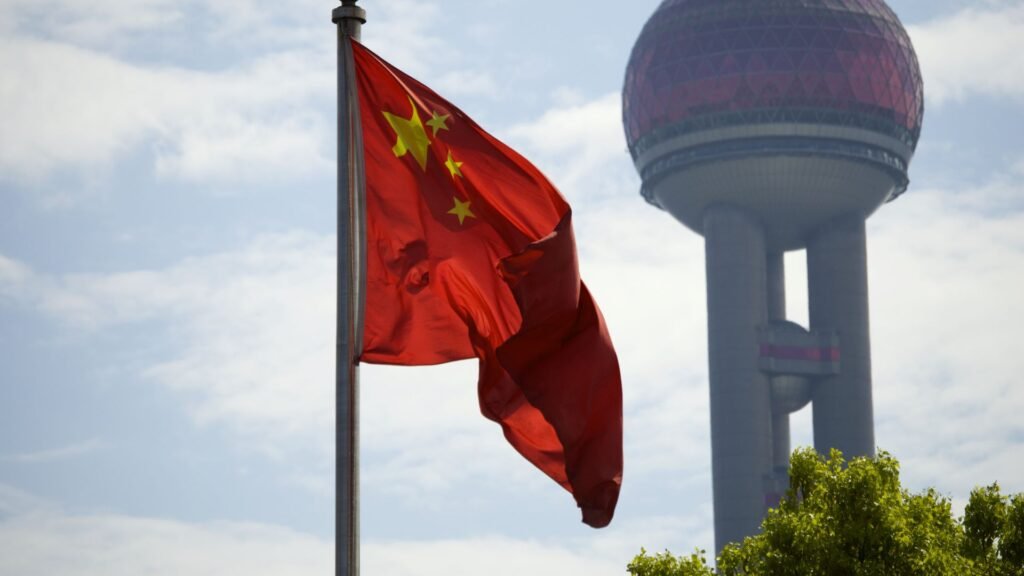
3. People May Stare — But It’s Out of Curiosity
In cities like Chengdu, where international exposure is still expanding, participating in an exchange program means you may stand out in public spaces. For international students, foreign exchange studentsy international au pairs living in a homestay program, it is common to receive curious looks, friendly waves, or even spontaneous photo requests from local families or school children. Far from being intrusive, these moments reflect authentic interest and excitement from people who want to learn about different countries, cultural customs, and languages.
These spontaneous encounters are an excellent opportunity to represent your home country and engage in meaningful cultural exchange. Whether you’re part of a high school exchange, a gap year program, or a full academic year abroad, your daily life becomes a bridge between cultures. Many locals, including students and older generations, may approach you to practice their English, ask about life in your country, or simply connect over shared curiosity. It’s a powerful reminder that being a cultural ambassador is one of the most rewarding aspects of any international student exchange experience.
Through these day-to-day interactions in parks, shops, buses, or local campuses, you enrich not only your own understanding of Chinese culture but also contribute to the global perspective of those around you. These authentic, person-to-person moments provide an enriching addition to your education abroad experience, fostering cross-cultural friendships and promoting international understanding. Participants in youth exchange programs, including the Rotary Youth Exchange or other exchange opportunities, often reflect on these small but significant encounters as some of the most impactful memories from their exchange semester or academic year.
Moreover, your host family and local coordinator will often encourage these positive exchanges, helping you build confidence and deepen your language skills. Whether you’re enrolled in a language course or simply navigating daily life in your host city, the experience will sharpen your communication abilities and boost your fluency. These real-life exchanges extend learning beyond the classroom, giving you both social and linguistic growth.
Ultimately, being visible in the community y participating in intercultural moments transforms your time abroad from a simple study abroad program into a truly immersive experience. You become more than just a student or an intern—you become a bridge between your host culture and your own, creating memories y connections that will last a lifetime.
4. Mandarin Is Everywhere — But Don’t Panic
When you first begin your exchange program en China, el language barrier may feel overwhelming — and that’s perfectly normal. From deciphering street signs, school timetables, and public announcements to ordering food, understanding local slang, and navigating daily life, everything is in Mandarin. For many international students, exchange students, or those starting a study abroad program, Mandarin is a completely new and challenging language to master. But here’s the good news: you’re not alone.
At Masons Au Pair, our intercambio cultural program is designed to support your language development from day one. We’ve partnered with XMandarin, one of the most reputable language schools in Chengdu, to provide weekly language courses tailored to your level — whether you’re a total beginner or already have some proficiency. These certified native teachers ensure your language and culture learning is not only effective but also engaging and rewarding.
Tu Mandarin lessons go hand in hand with your homestay program experience. Living with a familia anfitriona, you’ll have daily opportunities to practice speaking, improve your fluency, and reinforce your classroom learning in real-life contexts. You might help your host kid with homework, shop for groceries with your host mother, or have casual after-school conversations with neighbors. These interactions are more than just language exchange moments — they are chances to connect across cultures and become a real family member in your home away from home.
As your confidence grows, so will your ability to handle childcare responsibilities in Mandarin, follow local instructions, and engage meaningfully with the community. This kind of immersion accelerates language acquisition in ways that traditional classrooms can’t. Whether you’re helping with bedtime stories, joining a local cultural activity, or participating in educational workshops, you’ll be surprised how naturally Mandarin becomes part of your everyday life.
And the benefits don’t stop there. Building Mandarin skills through this international exchange program can open doors far beyond your academic year in China. Many of our participants continue using their Mandarin skills in future study abroad programs, internships, or even careers in international education, childhood development, or intercambio cultural organizations. The ability to learn a new language in such a real and practical way is a standout qualification on any transcript o résumé.
So whether your goal is to go on exchange, develop your language proficiency, or simply enjoy a rewarding year abroad, this is more than just a language course — it’s a life-changing intercultural experience.
5. Public Transport Is Super Efficient
When you participate in a cultural exchange program or student exchange program in China, forget everything you know about daily commuting — because here, transportation isn’t just about getting around, it’s part of the experience. As an international student, au pair, or intern living in Chengdu through Masons Au Pair, public transport becomes one of your most valuable tools for navigating life in a foreign country.
Whether you’re traveling to your Mandarin language school, escorting children to class as part of your childcare or after-school duties, or simply exploring cultural landmarks on weekends, China’s transit system offers a reliable, efficient, and affordable solution. Exchange students often rely on clean subways, high-speed railways, electric buses, and ride-share bikes to get from campus to host university, from daycare centers to homestay neighborhoods, all without needing a car. This flexibility allows you to travel to various campuses, host families, or student exchange program events without logistical headaches.
Unlike some study abroad programs in different countries that may require renting a car, our international exchange students benefit from a well-integrated infrastructure. Using apps like Baidu Maps or Google Maps and mobile QR payments, au pairs and foreign exchange students can easily plan routes, access timetables, and purchase tickets—all in English or Chinese. The process is simple and accessible for incoming participants still adjusting to their school year abroad or short-term exchange placement.
More than convenience, though, China’s public transit is a gateway to real cultural immersion. Each ride is a chance to experience cross-cultural life firsthand: you’ll observe morning Tai Chi in the parks, hear children recite their English lessons out loud, and even enjoy friendly exchanges with fellow commuters. Many international students report making unexpected new friends on the metro or bus, turning what might seem mundane into a deeply enriching moment. These everyday encounters not only improve your language proficiency y cultural fluency but also fulfill the true mission of youth exchange programs: genuine human connection.
Because housing is typically within walking distance of transit hubs, and with room and board already covered through your homestay program, your stipend can be saved for other educational activities—like volunteering, museum visits, or weekend trips to nearby cities. You won’t need a driver’s license, expensive insurance, or even a car rental agreement. For many students enrolled in international programs, this accessibility is what makes China a top destination for education abroad and student mobility.
In short, transportation in China supports your journey as an exchange ambassador, letting you fully immerse yourself in your host country without barriers. From the moment you step on a bus to your first day of language school, to the metro rides that take you across Chengdu with your host family, every trip is part of the adventure. Efficient, accessible, and culturally rich—public transport is one of the hidden gems of studying abroad in China.

Conclusion
Living in China as part of a student exchange program or au pair placement is more than just a temporary move — it’s a life-changing cultural experience. Every moment, from navigating daily routines to learning new customs, helps you grow as an international student, caregiver, and global citizen. While some cultural differences may surprise you at first, they’re exactly what makes studying abroad in a foreign country so enriching. Whether you’re adjusting to shared mealtimes, local etiquette, or the structure of a host family’s schedule, each challenge is an opportunity to immerse yourself in another culture and make lifelong memories.
At Masons Au Pair, we’re here to guide you through every step of your application process, from your first interview to your departure, your residence permit, and your placement with a screened and trusted host family. We don’t just help you become an au pair — we help you become part of a homestay program that Nuestros valores language and culture, cross-cultural friendships, and real international exchange.
Plus, our team offers full orientation, visa support, and language courses with our partner schools. With covered essentials like room and board, stipend, and cultural activities, all you have to do is show up — ready to learn, grow, and experience the world from a new perspective.
Curious to see what being an exchange student or au pair in China really looks like? Don’t miss our other blog posts filled with testimonials, tips, and snapshots of daily life. Follow us on Instagram for real stories from other exchange students and find out how you can go abroad, make new friends, and create a home away from home in China.
Preguntas frecuentes
What is an au pair?
A typical au pair es un young adult, usually between 18 and 30 years old, who chooses to travel abroad and live with a familia anfitriona in a foreign country as part of a cultural exchange program. In return for room and board, a private bedroom, and a modest stipend, the au pair contributes by assisting with light childcare tasks, such as helping with English communication, homework, or supervised playtime, and sometimes minor household chores related to the child.
Unlike traditional nannies o domestic workers, au pairs are not full-time employees—they are participants in a cross-cultural student exchange. The goal is mutual enrichment: while the familia anfitriona benefits from language and culture exchange, the au pair gains international experience, language skills, and a firsthand understanding of the education system, daily lifey Nuestros valores of their host country.
At Masons Au Pair, we specialize in placing vetted international au pairs into welcoming Chinese host families, primarily in Chengdu. Our program is designed to foster deep intercultural immersion, offering Mandarin language courses through our exclusive partnership with XMandarin School, support throughout the proceso de solicitud, and 24/7 local assistance. Whether you’re a gap year traveler, a recent graduate, or an international student exploring global education opportunities, becoming an au pair in China is a rewarding and life-changing path.
You’ll live with a family, become part of the household, and contribute meaningfully to their child’s growth — all while practicing Mandarin, making new friends, and experiencing the local culture from the inside out. Few student exchange programs offer such a unique blend of travel, language learningy personal development.
¿Qué diferencia hay entre un au pair y una niñera?
The main difference between an au pair and a nanny lies in their purpose, legal status, and the cultural exchange experience they provide. A nanny es un professional childcare worker, often local to the family’s home country, who is employed on a contractual basis to provide full-time child care services in exchange for a fixed salary. Nannies usually have specific childcare qualifications or degrees in early childhood education, and their relationship with the family is professional and transactional.
On the other hand, an au pair is typically an international student, recent graduate, or young person aged 18–30 who travels abroad to live with a host family in a foreign country. They participate in a cultural exchange program, providing light childcare and assistance with household chores in exchange for room and board, a private bedroom, meals a dayy weekly pocket money or a stipend. The goal of an au pair placement is not just childcare—it’s a mutual exchange of language, culturey daily life experiences.
At Masons Au Pair, we make it clear: au pairs are not nannies. Our participants join a homestay program that prioritizes language learning, inmersión culturaly international education. You’ll attend clases de mandarín at our partner language school, XMandarin, and become a true member of the family—not an employee. While nannies are hired for their professional skills, au pairs are welcomed for who they are, offering families an authentic connection to another culture and language.
Additionally, visa requirements differ significantly. Nannies work under employment contracts, whereas au pairs typically enter a country on a student visa, permiso de residencia, or a specific au pair visa, depending on the country’s policies. In China, our program ensures full support with visa guidance, orientation, and 24/7 local coordinator assistance throughout the entire proceso de solicitud.
In short, being an au pair is about more than working with children—it’s about living with a family, experiencing another culturey growing personally and globally in a safe and supportive environment.
¿Cuánto cobra un au pair?
Although au pairs do not get a salary in the form of a conventional employee’s pay, they do get a complete room and board, meals, and a stipend or a monthly allowance known as “pocket money”—typically between 1,500 to 2,000 RMB a month in China. At Masons Au Pair, we guarantee your hosting family satisfies all the program standards for providing a private room, three meals a day, and frequent cultural activities. Apart from that, we also provide Mandarin classes, visa assistance, and 24/7 support. Although the comprehensive cultural exposure, language pick-up, and self-improvement scope are the real values.
Is living with a host family awkward?
It’s completely normal to wonder if living with a host family will feel awkward — especially when you’re stepping into a new country, culture, and home. But while the first few days may feel unfamiliar, most estudiantes internacionales, au pairs, or participants in an exchange program quickly realize that this temporary discomfort is just part of the cultural adaptation process.
At Masons Au Pair, we carefully match each participant with vetted host families who are warm, experienced, and genuinely excited to welcome a foreign exchange student into their lives. These families go through a complete background check, orientation, and interviews to ensure a safe and welcoming experience. From day one, you’re treated like a family member, not just a guest. You’ll share meals per day, have your own private bedroom, and participate in everyday routines — which quickly helps break the ice.
Yes, there may be cultural differences — from meal times and house rules to parenting styles and communication. But this is exactly what makes the homestay program such a powerful intercultural exchange. You’ll learn to adapt, communicate respectfully, and develop a deeper understanding of life in a foreign country. In return, your host parents y host siblings will also get to know your culture, language, and traditions. It’s a reciprocal experience that fosters real connection, empathy, and global awareness.
Most exchange students report that the initial awkwardness fades within the first week. Daily conversations, language learning, shared chores, and laughter over meals help turn your placement into a home away from home. Many au pairs even stay in touch with their host families long after their academic year, gap year, or youth exchange ends — some even visit again in the future!
So yes — living with a host family might feel awkward for the first few days. But give it time, and you’ll likely find it becomes one of the most rewarding, enrichingy life-changing aspects of your entire international exchange program.
Why do people stay with host families?
Staying with a host family is one of the most enriching aspects of any cultural exchange program, especially for estudiantes internacionales, au pairs, or participants in a study abroad o student exchange program. It offers a unique opportunity to immerse yourself in daily life, languagey local customs, while receiving room and board, emotional support, and a true sense of belonging in your host country.
Many foreign exchange students y international au pairs choose homestays because they want more than just accommodation — they want to become part of a family abroad. This experience creates deep cross-cultural connections, improves language proficiency, and provides a strong support system. Living with a screened and vetted host family means you’re not just a visitor; you’re treated like a member of the family, sharing meals, traditions, and everyday life.
In programs like Masons Au Pair, participants are matched with host parents who are carefully selected through a thorough proceso de solicitud, including criminal background checks and interviews. These families provide a private bedroom, meals per day, and participate in intercultural activities. It’s not uncommon for au pairs and exchange students to form lifelong friendships with their host families, even returning for future visits or maintaining long-distance relationships years after their academic year o gap year abroad.
Living in a homestay also enhances your language learning experience. You’ll practice your English o Mandarin skills daily, gain insight into local parenting styles, help with childcare o household chores, and be exposed to cultural differences in a safe, welcoming environment. Whether you’re studying abroad, working as a caregiver, or joining a student exchange, el homestay program fosters real-life learning that simply can’t be taught in a classroom.
In short, people stay with host families because it transforms their time abroad from a trip into a life-changing experience. It’s the heart of what makes international exchange programs truly meaningful — connection, cultural understanding, and becoming part of something bigger than yourself.
What are au pairs not allowed to do?
Au pairs are not domestic workers, full-time nannies, or household staff. Instead, they are young individuals participating in a structured cultural exchange program, such as Masons Au Pair, designed to provide international experience, inmersión lingüísticay cross-cultural learning through homestay placements with a familia anfitriona in a foreign country.
In China, au pairs live with carefully selected host parents and act more like an extended family member than an employee. Their role is centered around light childcare y language exchange, not housekeeping or full-time work. Tasks typically include:
Practicing English speaking with the host child
Assisting with homework y language learning
Playing educational games and organizing after-school activities
Helping during bedtime routines or meal preparation for the child only
However, an au pair is not allowed to:
Perform heavy household chores like deep cleaning, laundry for the entire family, or yard work
Cook full meals for the entire family on a daily basis
Take on a full-time babysitting job or any paid work outside the host family
Start their own business or accept other forms of employment (as per visa and permiso de residencia laws in China)
This distinction is crucial for families and estudiantes internacionales joining the student exchange program. The goal of being an au pair is intercultural exchange, not employment. Au pairs receive room and board, a private bedroom, dinero de bolsillo, and access to cursos intensivos de idiomas o clases de mandarín through our escuela de idiomas asociada, but they are not hired as professional nannies o domestic staff.
By maintaining this balance, the au pair experience remains a mutual exchange that enriches both the host family and the student — offering a rewarding, life-changing opportunity to live abroad, gain cultural fluency, and build lifelong friendships through a carefully managed international student exchange.
What visa do I need to be an au pair in China?
To become an au pair in China, you typically need an X2 student visa, which is issued for short-term language study. Masons Au Pair partners with accredited Mandarin schools, ensuring you receive an official invitation letter necessary for your visa application. We handle all visa guidance, and once you arrive in China, we even reimburse your visa fees—another benefit of our program. The X2 visa allows you to legally stay in China for the duration of your program, combining language study with cultural exchange in a fully supported environment.
For more information check our page : Consigue tu visado chino
What is the difference between a host family and a homestay?
While the terms familia anfitriona y homestay are often used interchangeably in the context of student exchange programs o au pair placements, they actually refer to two slightly different aspects of the international student experience.
A familia anfitriona refers specifically to the people who welcome you into their private home — usually host parents (and sometimes siblings) who open their doors to foreign exchange students, au pairs, or international interns. These families provide more than just room and board — they offer a supportive, family-style environment where you can immerse yourself in a new culture, practice the local language, and feel like a true member of the family. At Masons Au Pair, all our host families are carefully screened, interviewed, and trained to ensure a safe, enriching, and authentic intercambio cultural experience.
A homestay, on the other hand, refers to the program structure o living arrangement itself. It’s part of a larger cultural exchange program, youth exchange, or international education initiative where the student or au pair lives in a private household rather than in a school dormitory or apartment. A homestay includes everything from meals per day, a private bedroom, and participation in daily family routines — all of which support full intercultural immersion.
In short:
El familia anfitriona = the people.
El homestay = the program or setup.
Living with a host family through a homestay program offers a unique, life-changing experience para estudiantes internacionales, allowing them to study abroad, build language proficiency, and gain cross-cultural understanding in a truly personal and enriching way.
What are the different types of international experience?
An international experience refers to any opportunity where individuals — especially students, au pairs, or interns — live, study, or work in a foreign country as part of a structured exchange program, study abroad program, or cultural immersion initiative. It involves stepping outside your home country and adapting to a new culture, language, and way of life, whether through an academic semester, a gap year, or a homestay program.
In a typical international student exchange, participants live with a familia anfitriona, attend language school, take part in cultural activities, and often provide childcare o English tutoring in return for room and board, dinero de bolsillo, and a private bedroom. This setup — common in au pair programs like those offered by Masons Au Pair — allows for a truly immersive cultural experience. You don’t just visit a new country — you become part of it.
An international experience:
Helps develop language proficiency (through Mandarin, ESL, or TEFL courses)
Enhances global awareness y cross-cultural communication skills
Builds independence, adaptability, and confidence
Offers a rewarding journey of personal and professional growth
Often includes volunteering, work and travel, or childcare responsibilities
For many young people, an international experience is life-changing. It opens doors to international education, career opportunities abroad, and lifelong friendships with people from different countries. Whether you’re helping with after-school homework, practicing language and culture in a homestay, or navigating local transportation systems, every moment abroad becomes part of your story.
If you’re considering becoming an au pair en China or joining a student exchange program, your international experience starts here — with support, structure, and a community that helps you thrive abroad.